
Where to Go and What to See for a Wonderful Trip on Your First Visit to Korea?
South Korea, a nation that encapsulates the essence of Asia, offers an exhilarating experience for first-time visitors. Here, the legacy of ancient dynasties coexists with cutting-edge technology and a vibrant, world-class culture (K-Culture). For those new to the country, the most effective way to plan your itinerary is to focus on the dynamic capital, Seoul, and the stunning coastal city, Busan. These two destinations perfectly showcase the past, present, and future of Korea.
Based on the most accurate and reliable information available for 2025, we present the must-see spots and essential routes to enrich your Korea travel experience. Discover the rich history of Seoul and the breathtaking seaside of Busan to create a truly wonderful trip you’ll cherish forever.
Seoul: Exploring the Dynamic Capital Where Past Meets Future
Seoul is an ancient capital (Godo) with a 600-year history, yet it’s simultaneously one of the fastest-changing metropolises in the world. The harmonious blend of tradition and innovation ensures that the city offers something exciting, day and night.
The Heart of Seoul’s History and Tradition
Experience the deep history of Korea in the city’s core and immerse yourself in its serene beauty. These places represent the spirit and architectural artistry of Korea.
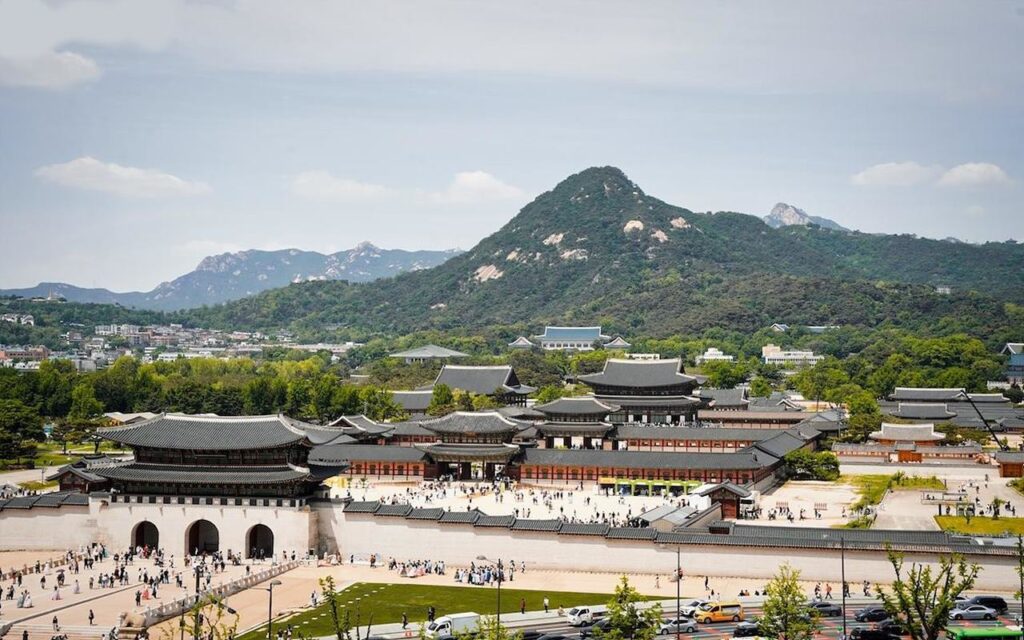
- Gyeongbokgung Palace: As the principal royal palace of the Joseon Dynasty, it is an iconic landmark of Seoul. The majestic Geunjeongjeon Hall and the beautiful Gyeonghoeru Pavilion on the pond showcase the pinnacle of Joseon architecture. Wearing a Hanbok (Korean traditional attire) grants you free palace admission and an opportunity for special photos.
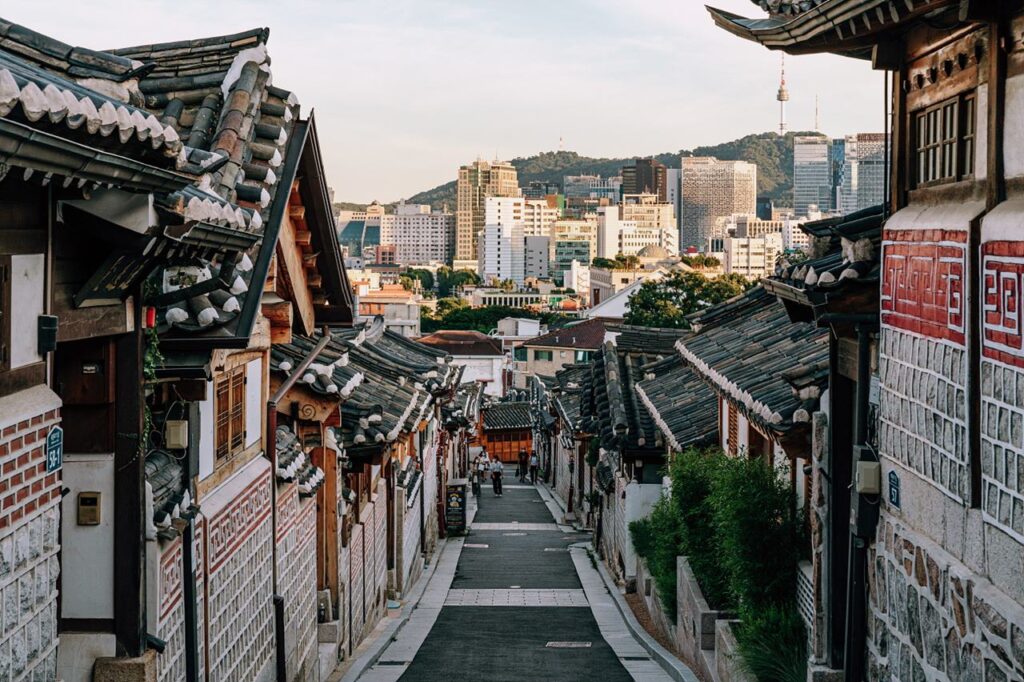
- Bukchon Hanok Village: This village is a preserved area of traditional Korean Hanok houses nestled between modern skyscrapers. A stroll through its winding alleys gives you a sense of having traveled back in time to appreciate the beauty of traditional Korean residential architecture. The area is also home to many traditional craft workshops and galleries.
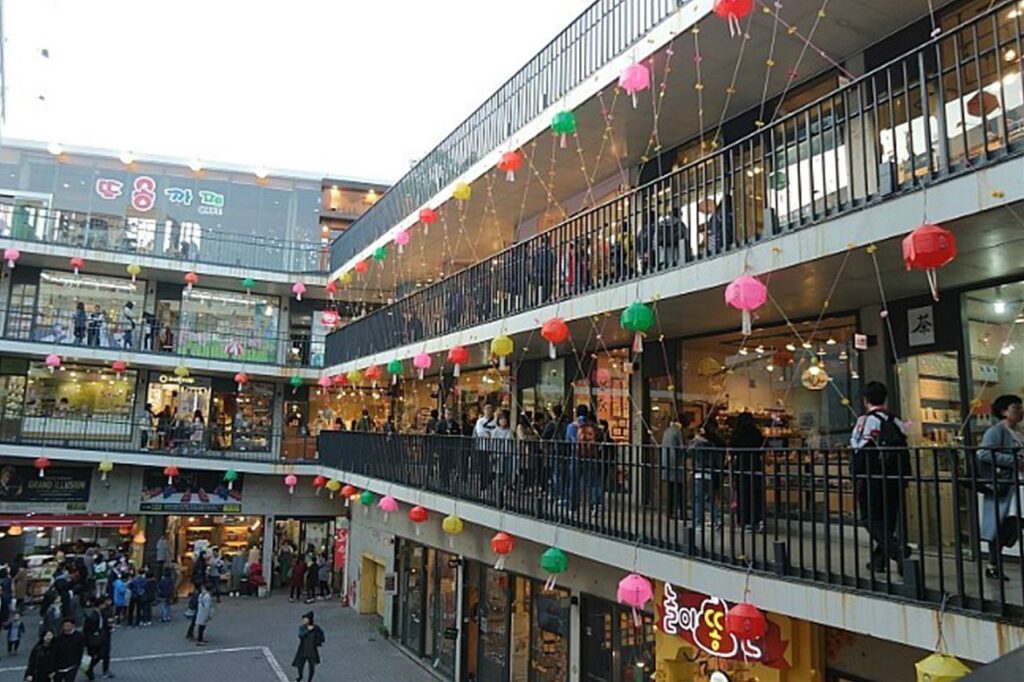
- Insadong & Ikseon-dong: Insadong, the street of traditional culture, is where you can find Korean souvenirs and traditional teahouses. In contrast, Ikseon-dong, located nearby, features trendy restaurants and cafés repurposed from old Hanok houses, offering a modern take on tradition.
Modern Seoul and the Hub of K-Culture
Seoul is an originator of trends and a mecca of contemporary culture. Here, you can experience modern Korean culture, including K-Pop and K-Beauty.
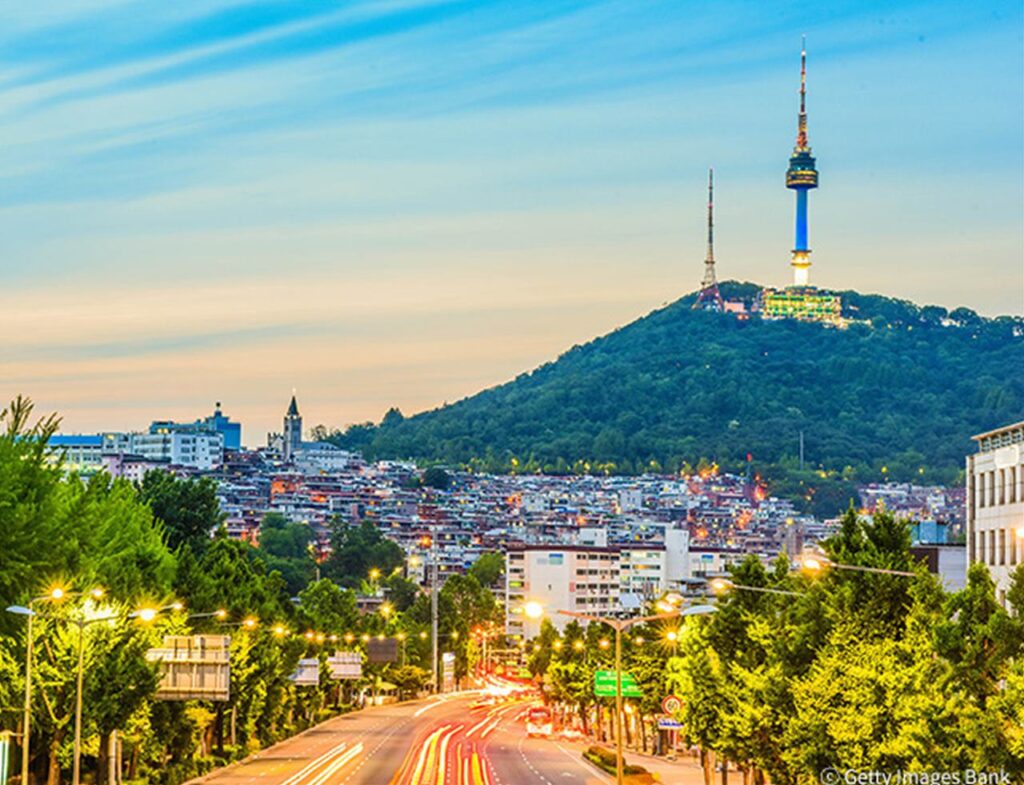
- Namsan Seoul Tower: This is the best place to capture Seoul’s entire skyline. Located atop Namsan Mountain, it offers a 360-degree view of the city. The spectacular Night View after sunset adds a romantic flair to your journey.
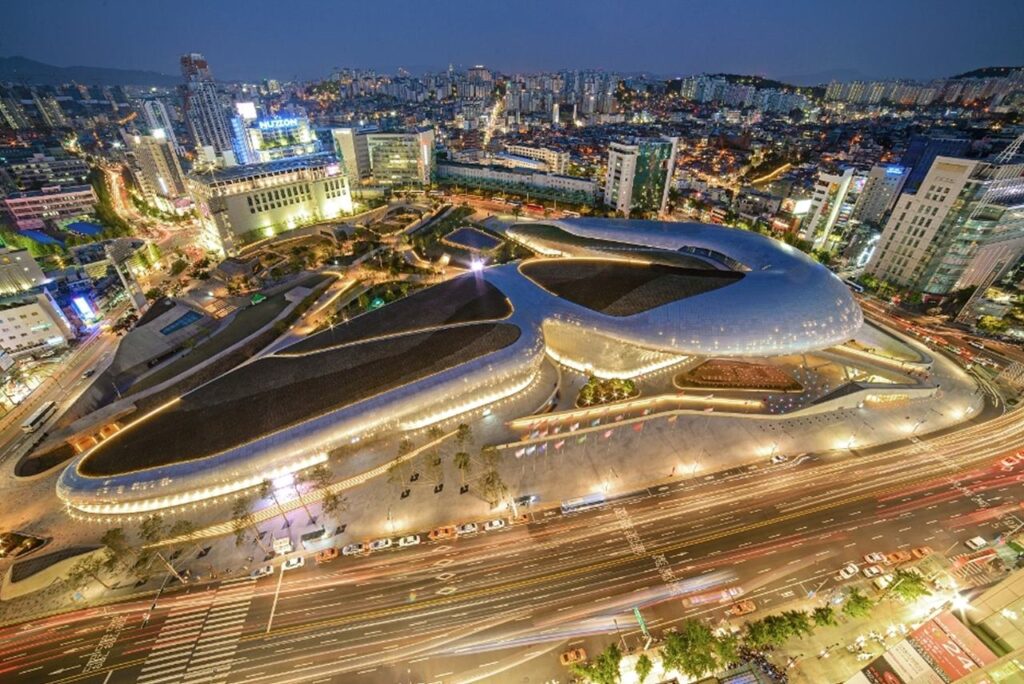
- Dongdaemun Design Plaza (DDP): The DDP, a masterpiece by world-renowned architect Zaha Hadid, is a striking, futuristic-designed complex cultural space. It hosts various design exhibitions and fashion events.
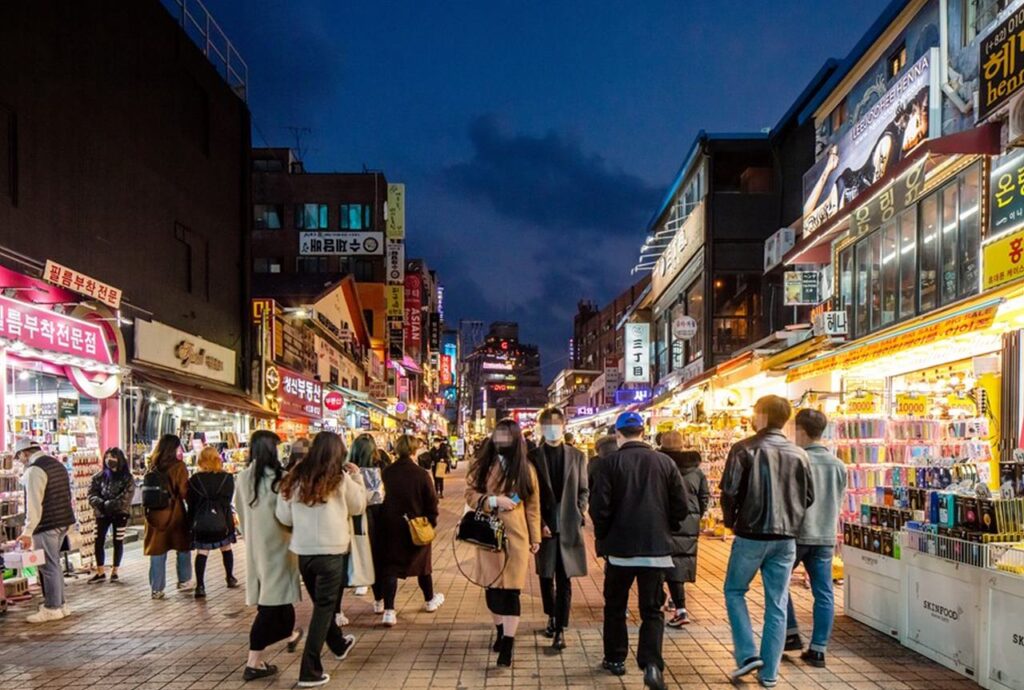
- Hongdae, Seongsu-dong, and Gangnam: Hongdae is a vibrant street filled with the energy of youth, indie culture, street art, and live music. Seongsu-dong is the “Brooklyn of Korea,” where old factories and warehouses have been transformed into chic cafés, galleries, and multi-brand shops, making it a hotspot for ‘hipsters.’ Gangnam, with its concentration of luxury streets and entertainment agencies, offers a glimpse into the glamorous urban Korean lifestyle and cutting-edge trends.
Seoul’s Culinary Delights: Unmissable K-Food Experiences
K-Food is one of the greatest pleasures of traveling in Korea.
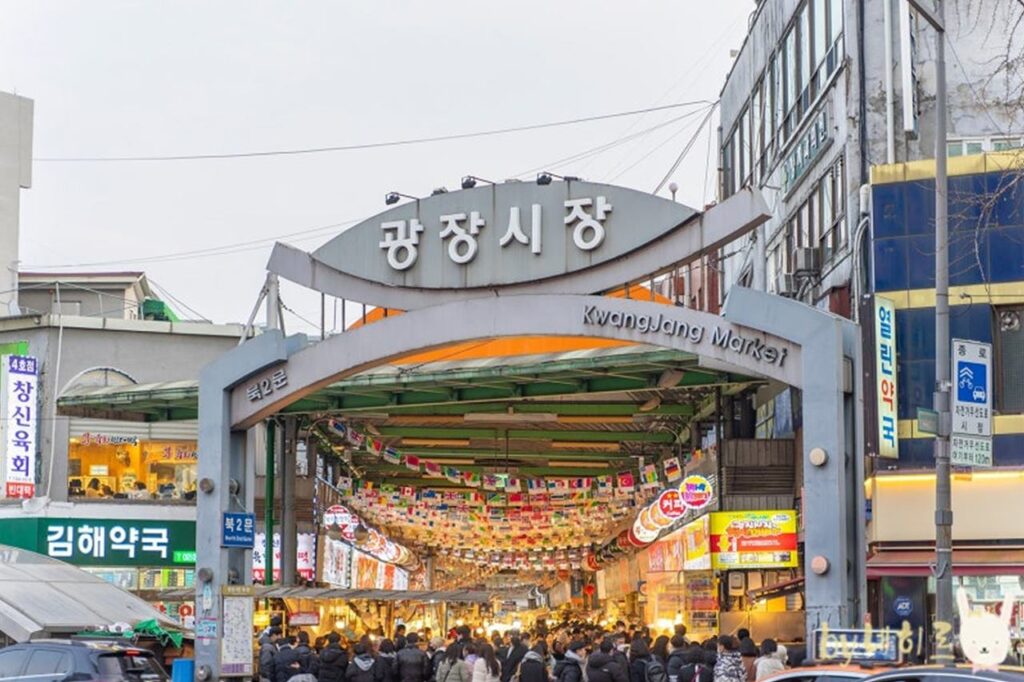
- Gwangjang Market: Experience Korea’s lively market culture and taste authentic Street Food like bindaetteok (mung bean pancakes) and mayak gimbap (addictive mini-rolls).

- Myeong-dong Street Food & Korean BBQ: Indulge in various street snacks in the shopping heaven of Myeong-dong, and visit a Korean BBQ specialist to try samgyeopsal (pork belly) with Soju, a beloved local combination.
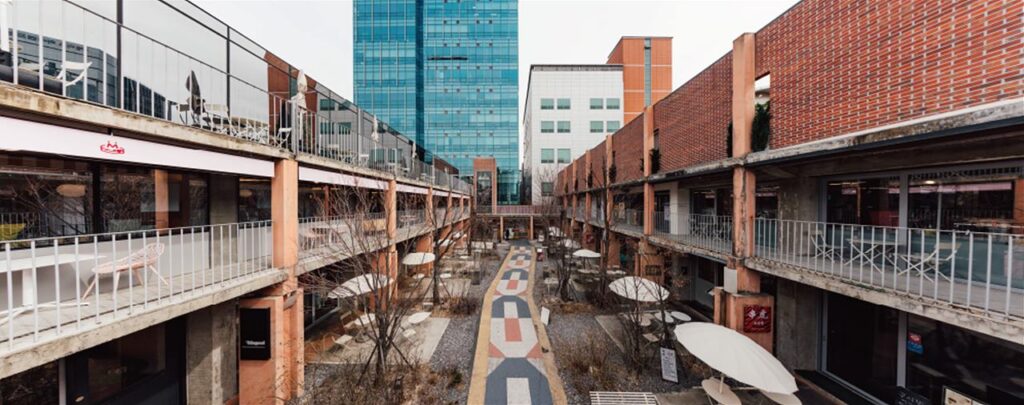
- Unique Café Culture: Seoul boasts an abundance of unique and concept-driven cafés. Take a relaxing break at one of the stylish spots in Seongsu-dong or Yeonnam-dong.
Busan: The Allure of a Coastal City Full of Sea and Romance
Busan is Korea’s second-largest city, boasting magnificent natural scenery where the sea meets the mountains, along with fresh seafood. It offers a more relaxed and romantic atmosphere than Seoul, welcoming travelers with open arms.
Busan’s Beautiful Beaches and Marine Activities
Busan is a paradise for marine leisure, featuring the charms of both the East and South Seas.
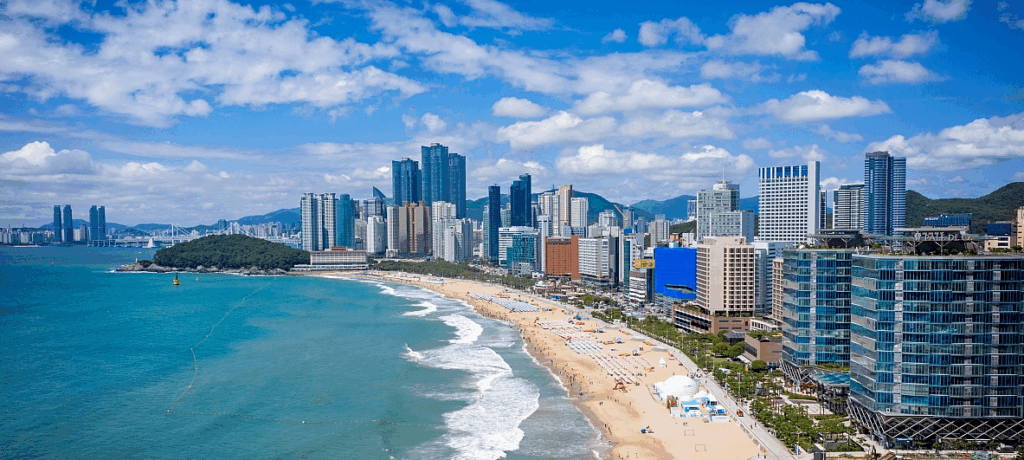
- Haeundae & Gwangalli Beaches: Haeundae is a globally recognized resort beach. Nearby, you’ll find Busan X the Sky, a 100-story observatory, offering spectacular views of both the city and the ocean. Gwangalli is known for the dazzling night view of the Gwangandaegyo Bridge and its lively atmosphere, perfect for enjoying water activities.
- Haeundae Blueline Park: Riding the Coastal Train or Sky Capsule along the abandoned coastal railway, extending from Mipo to Songjeong Beach, is one of the most popular activities in Busan, offering scenic views of the coastline.
- Songdo Marine Cable Car: This provides an exhilarating experience gliding over the sea. The view of Songdo Beach and the Busan Port area from the cable car will be an unforgettable memory.
Unique Cultural Villages and Markets of Busan
The unique local life formed along the mountain roads adds cultural depth to the city.
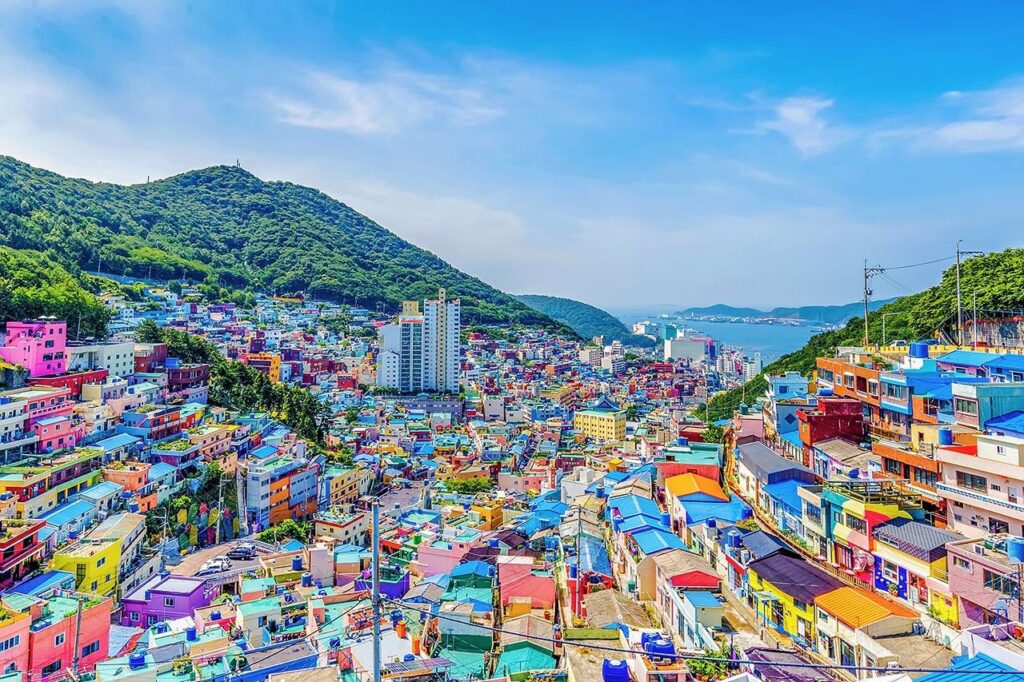
- Gamcheon Culture Village: Dubbed the “Machu Picchu of Korea,” this village features colorful houses built in a stair-step fashion along the hillside. It’s a fantastic Photo Spot where you can enjoy finding various art installations and murals hidden in the alleys.
- Jagalchi Market: Known for its lively chants—”Oiso! Boiso! Saiso!” (Come! See! Buy!)—this is Korea’s largest seafood market. It’s a local culinary haven where you can select and immediately taste fresh hoe (raw fish) and various other seafood dishes.
Practical Tips for a Convenient Trip in Korea (2025 Update)
Korea boasts a highly developed public transportation system, making travel convenient even for first-timers. Use these practical tips for a smarter trip.
Smart Transportation Options
Using Transportation Cards:
Transportation cards such as T-money or Cashbee can be used on subways, buses, and even some taxis across Korea.
They can be easily purchased and recharged at convenience stores or subway stations.
Using these cards is more economical than paying in cash, as they offer transfer discounts and lower fares.
Essential Navigation Apps:
In Korea, Naver Map and KakaoMap provide the most accurate and real-time navigation information.
With their public transportation search and walking navigation functions, it’s easy to find your way through Korea’s complex streets.
Additionally, Kakao T offers convenient taxi-hailing services through its web platform.
Breaking the Language Barrier:
Translation apps like Papago help travelers communicate more easily with locals.
The image translation feature is especially useful for reading restaurant menus or public notices.
Using such tools will make your travel experience in Korea smoother and more enjoyable.
Seoul and Busan: The Start of Your Unforgettable Korea Journey
A Korea travel adventure is best begun in Seoul, where historic palaces and futuristic architecture coexist, and Busan, where the blue sea and bustling markets thrive. By experiencing the charms of both cities, you can deeply feel the multifaceted nature of Korea in a short time.
This guide, updated with the latest 2025 information, aims to be the blueprint for your successful first visit to Korea. We encourage you to immerse yourself in the allure of K-Pop and K-Food, feel the warm Jeong (Korean sentiment of affection and deep connection) from the people, and enjoy a truly wonderful trip of a lifetime. Start preparing for your journey to Korea now!